
The Art of Performance
How Presence, Craft, and Audience Shape the Theater Experience.
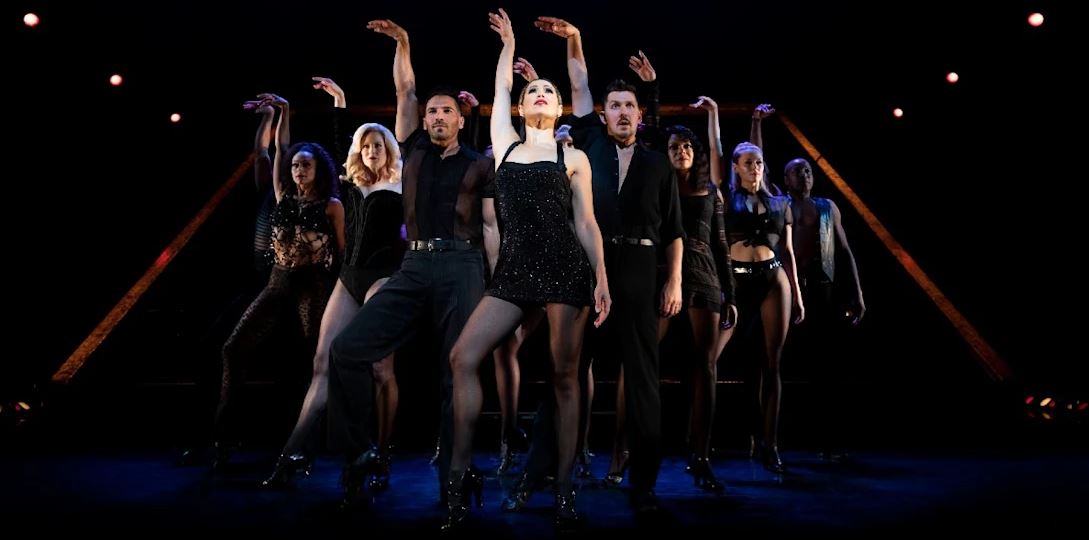
Performance as Embodied Storytelling
Performance is the beating heart of theater, the moment where stories are not only told but lived before an audience. Unlike a book or film, performance is an act of embodiment, where the human body, voice, and emotion become the medium of communication. From the earliest ritual dances to today’s Broadway productions, performance has always been about more than representation. It is about presence, the direct connection between performer and spectator that makes theater immediate and alive. Each gesture, pause, or inflection carries meaning, shaping how stories resonate across time and culture. Performance is not static but fluid, renewed with every actor, every audience, and every night on stage.
The Actor’s Craft and Transformation
At the center of performance lies the actor, who must master the art of transformation. This craft is not simply about memorizing lines or striking poses, but about inhabiting a character so fully that audiences believe in the reality being presented. Training in voice, movement, and emotional authenticity gives actors the tools to carry complex roles. The actor’s body becomes an instrument, capable of expressing the subtlety of grief or the exuberance of joy through tone and gesture. What makes performance unique is that this transformation is never mechanical. Each show is shaped by the actor’s choices in the moment, influenced by the energy of the audience, and marked by the ephemeral nature of live theater.
The Role of Audience in Performance
Performance cannot exist without an audience. While the actor provides the embodiment of story, the audience provides the context of reception. Laughter, silence, gasps, and applause are all part of the performance, influencing rhythm and intensity. This reciprocal exchange distinguishes theater from recorded forms of art. The same play performed for different audiences will never be identical, as the collective mood and reaction shape the outcome. Audiences become co-creators, their engagement giving meaning and momentum to the work unfolding on stage. This shared presence builds community, reminding us that performance is both art and dialogue.
Performance Across Cultures and Traditions
The practice of performance varies across cultural traditions, reflecting different philosophies of storytelling and presence. In Japanese Noh theater, performance emphasizes ritualized movement and stylization, where every gesture is precise and symbolic. In Indian Kathakali, exaggerated expressions and elaborate costumes transform performers into larger-than-life figures. In Western traditions, realism and psychological depth have often defined performance, with actors striving to reveal inner truths through naturalistic portrayals. Contemporary performance borrows from these traditions, blending ritual, realism, and experimentation into hybrid forms. These cultural differences show that performance is not a single approach but a spectrum of possibilities, each reflecting distinct values and worldviews.
Technology’s Influence on Performance
Modern performance is increasingly shaped by technology. Lighting, projection, and sound design allow performers to inhabit immersive environments, expanding the possibilities of storytelling. Microphones enhance subtle vocal performances, while motion capture and augmented reality extend physical presence into digital spaces. During global restrictions, streamed performances allowed artists to reach audiences remotely, blending theater with digital media. Yet even as technology expands the tools of performance, it cannot replace the essence of live presence. The craft of the performer remains central, proving that while the stage may evolve, the art of embodying story continues to anchor the theatrical experience.
Performance as Social Commentary
Performance has always been a means of engaging with pressing social issues. Through character and story, performers bring abstract problems into human focus. A monologue about injustice can move audiences to reflect, while a comedy about politics can spark laughter and critique simultaneously. Performances like those of Brecht’s epic theater deliberately break the illusion to provoke thought, while works rooted in realism immerse audiences in empathy. Contemporary performance frequently addresses issues of race, gender, and identity, using the stage as a platform for visibility and change. In these ways, performance is not only art but activism, a way of amplifying voices and fostering dialogue.
The Future of Performance
As theater adapts to new cultural and technological landscapes, performance will remain at its core. The future will likely see hybrid forms that combine live acting with digital environments, enabling global audiences to experience performances across borders. Experimental performance may expand into virtual reality, where audiences and actors share immersive worlds. Yet the essence of performance will endure: the live presence of a performer reaching out to connect with others. This enduring quality ensures that no matter how the stage transforms, performance will continue to thrive as humanity’s most immediate and powerful form of storytelling.
Performance as Human Connection
Performance is the art of being present, of embodying story and emotion in real time before an audience. It is at once fragile and powerful, shaped by the uniqueness of each moment. Actors transform themselves, audiences respond, and together they create experiences that exist only once before dissolving into memory. This ephemerality is not a weakness but a strength, making performance one of the most vital and enduring forms of human expression. It connects us not only to stories but to each other, reminding us that theater is not only about spectacle but about the shared experience of being alive together.